
Master the Art of Network Security and Real-Time Threat Detection
We teach practical security monitoring skills that companies actually need. Our instructors work in the field—handling incidents, analyzing traffic, building detection systems. This isn't theory. It's the real work of keeping networks safe.

Learn from People Who Actually Do This Work
Our instructors aren't just teachers. They respond to incidents at 2 AM. They write detection rules that catch real threats. They've seen what happens when security fails—and what it takes to get it right.

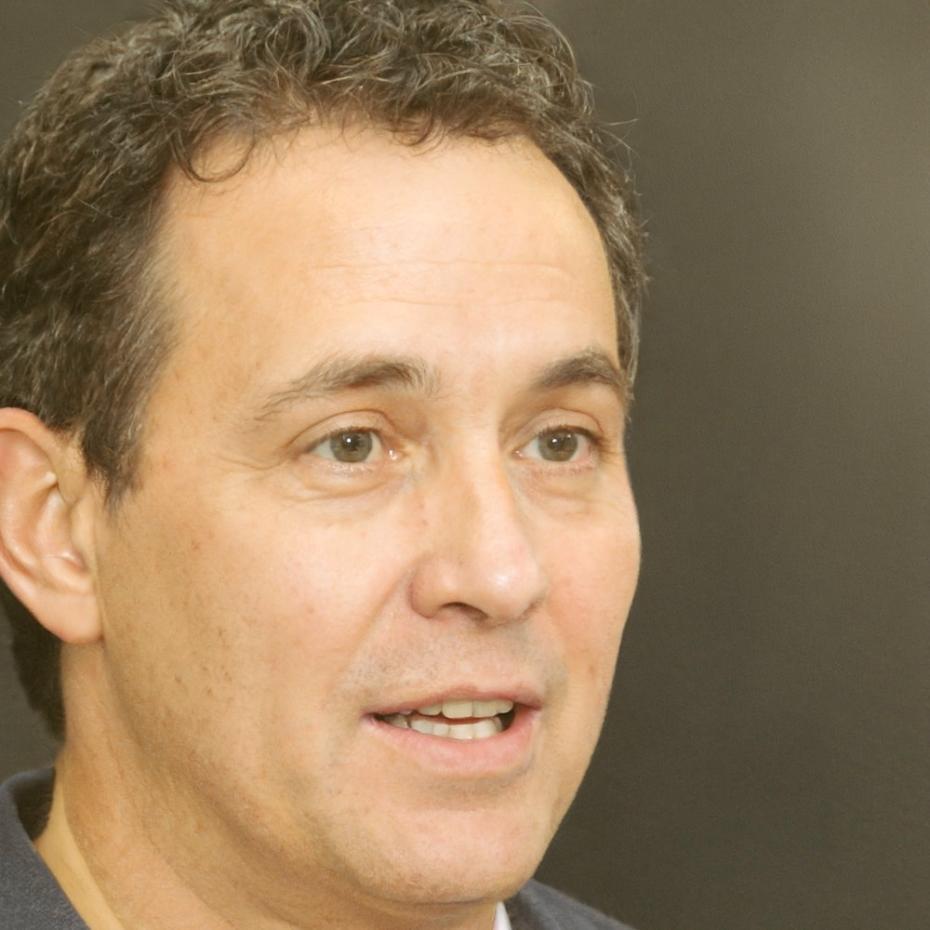
Juhani Mäkinen
Threat Detection SpecialistI spent five years building SIEM solutions for financial services. Now I show students how to spot anomalies before they become breaches. The patterns you need to recognize—they're not in textbooks. They're in logs, in traffic captures, in the stuff that happens between alerts.
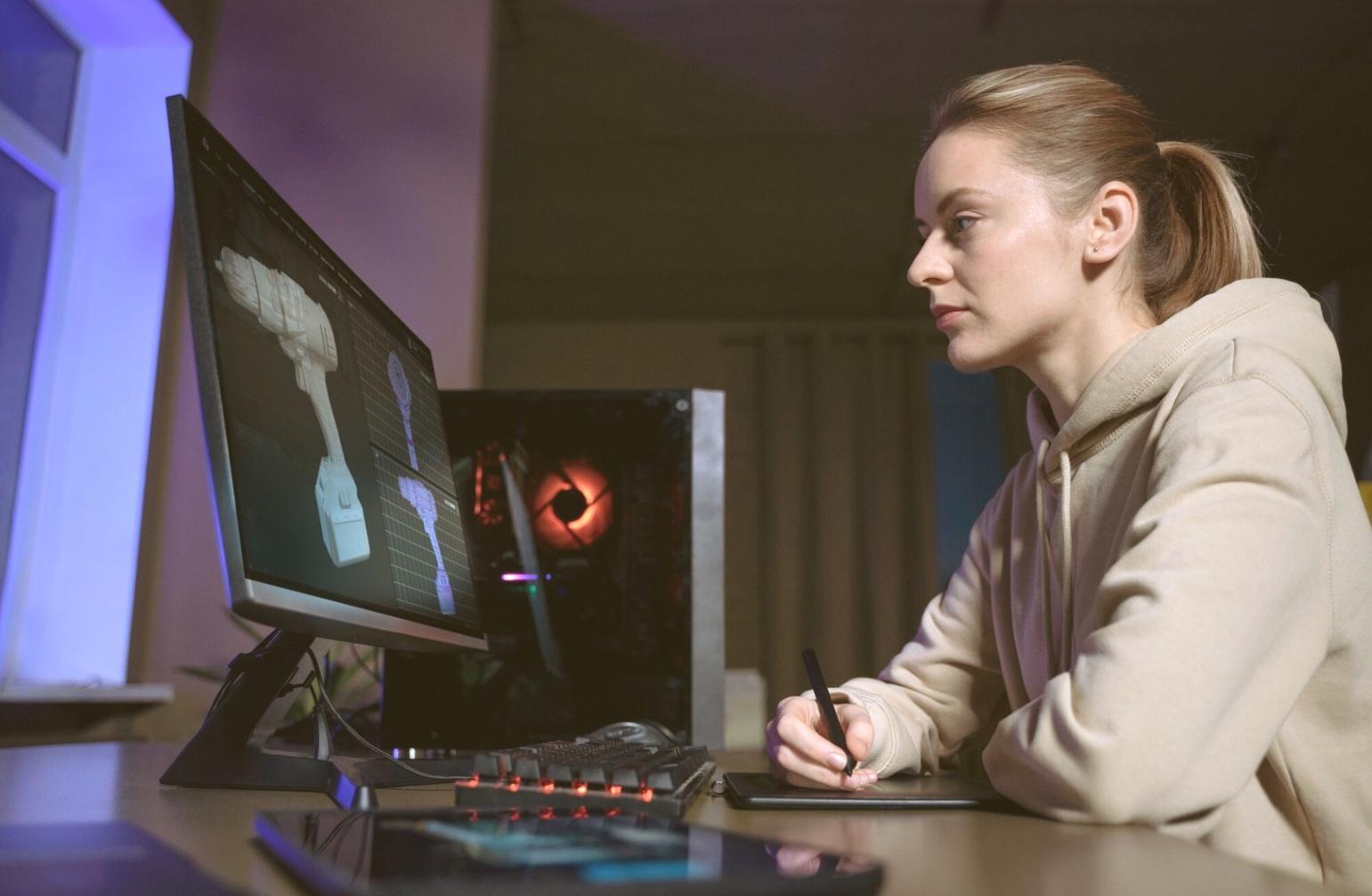
Arjun Deshmukh
Security Operations InstructorMy background is incident response. I've investigated everything from ransomware to insider threats. Students need to understand the pressure, the incomplete information, the decisions you make when systems are compromised. That's what our labs recreate.
Why Practical Skills Matter More Than Certifications
- You'll analyze actual packet captures from past incidents, not sanitized examples
- Build detection rules that work in messy, real-world environments
- Learn to prioritize alerts when you're drowning in notifications
- Understand the business context behind security decisions
- Practice writing reports for people who don't speak technical
Your Learning Journey
We structure the program around how security teams actually work. Start with fundamentals. Build technical skills. Then learn to apply them under pressure.
Foundation Phase
Network fundamentals, protocols, traffic analysis basics. You need to understand how systems communicate before you can spot when something's wrong.
Detection Skills
Log analysis, SIEM configuration, writing effective queries. This is where you learn to find signals in the noise.
Response Practice
Incident handling, threat hunting, remediation planning. We simulate real scenarios—ambiguous alerts, incomplete data, time pressure.
What Makes Our Approach Different
Most security courses teach tools. We teach thinking. Because tools change every year, but the fundamentals of good security work don't.
Our students spend more time in labs than in lectures. You'll work with the same tools used by security teams at major companies. The environments we create mirror real production networks—with all their complexity and quirks.
Classes are small. You get direct feedback on your work. When you struggle with a concept, we adjust the pace. This isn't a massive online course where you're a number in a database.
Get in Touch
Resources to Support Your Learning
Beyond structured lessons, we provide materials that help you learn at your own pace. These aren't just downloads—they're tools our instructors use in their own work.
Lab Environments
Access to virtualized networks where you can practice detection and response. Break things. Try different approaches. Learn from mistakes without real consequences.
Reference Documentation
Our instructors maintain guides on common attack patterns, detection strategies, and tool configurations. Updated based on what we're seeing in current incidents.
Case Studies
Anonymized write-ups of real incidents. What happened, what worked, what didn't. The kind of detail you rarely see in public breach reports.
Community Access
Connect with other students and alumni. Share findings, discuss techniques, get advice when you're stuck on a problem.
Ready to Start Learning?
We're currently enrolling for programs starting throughout the year. Class sizes are limited to maintain the quality of instruction and lab access.
- Location: 129 Devonshire Rd, Singapore 239886
- Phone: +65 8688 8475
- Email: [email protected]