
Security Monitoring Training That Actually Prepares You
We've spent years working in network operations centres across Singapore and beyond. The programs here reflect what actually happens when systems fail at 3am — not theoretical scenarios from textbooks.
Discuss Your GoalsWhat You'll Actually Learn
These aren't vague promises about becoming an expert. Each program tackles specific problems we've encountered in real environments.
Network Traffic Analysis Fundamentals
Most breaches hide in normal-looking traffic patterns. We focus on teaching pattern recognition through real packet captures from actual incidents — not sanitized lab exercises.
- Reading packet captures without getting overwhelmed
- Spotting lateral movement before it spreads
- Understanding why automated tools miss certain threats
- Building custom detection rules that reduce false positives
Incident Response Under Pressure
When everything's on fire and people are panicking, you need clear procedures. We simulate the chaos — limited information, conflicting reports, stakeholders demanding updates.
- Triage when you have incomplete data
- Documenting actions during active incidents
- Communicating technical issues to non-technical stakeholders
- Coordinating with teams who speak different technical languages
Log Analysis and SIEM Configuration
Logs contain answers, but finding them means understanding what systems actually log and why. We work with messy real-world logs, not perfectly formatted examples.
- Parsing logs that don't follow standard formats
- Building correlation rules that actually work
- Managing alert fatigue through better filtering
- Understanding what logs tell you — and what they don't
Who Teaches These Programs
Our instructors still work in security operations. They teach between shifts, bringing current problems and solutions into every session.

Ragnar Thorvaldsen
Ragnar spent eight years at a financial institution's SOC in Singapore. He's seen everything from cryptocurrency mining operations to state-sponsored intrusions. His approach centers on teaching people to think like attackers — because defense works better when you understand offensive tactics.

Cillian MacFadden
Cillian manages incident response for a regional cloud provider. He's handled breaches that made headlines and countless others that didn't. His classes focus on the practical side — how to stay calm, what to document, who to call, and when to escalate.
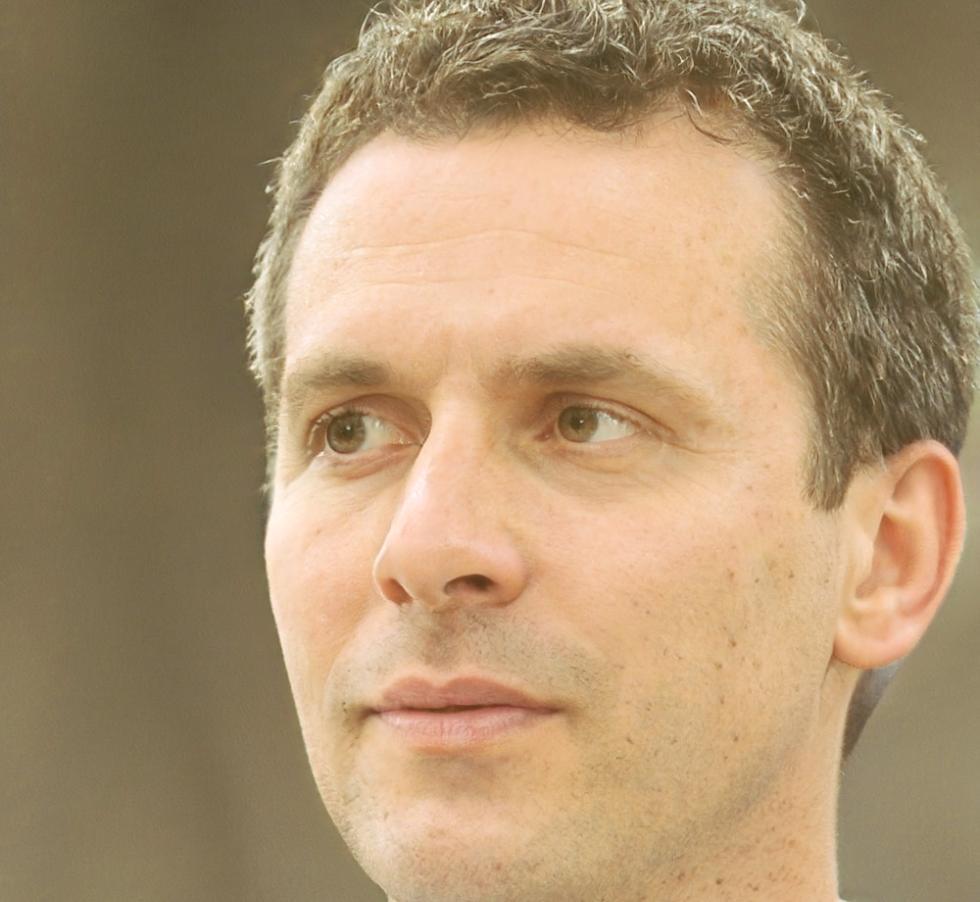
Dimitri Volkov
Dimitri builds and optimizes SIEM deployments for organizations that need better visibility. He's particularly interested in helping analysts work smarter — reducing noise, improving detection accuracy, and making security monitoring less exhausting for the people doing it.


Ready to Start Learning
Programs run throughout the year with small cohorts. We keep classes limited because hands-on work requires individual attention and real interaction with instructors.
Some Technical Background Helps
You don't need certifications, but basic networking knowledge makes everything easier. If you understand IP addresses, ports, and protocols, you'll keep pace.
Time Commitment Matters
Programs run for six to eight months. Expect about 10-15 hours per week including live sessions, lab work, and practice exercises. This isn't a weekend crash course.
Learning Happens in Groups
You'll work with other students on real scenarios. Collaboration matters because security operations rarely happens in isolation. Different perspectives improve solutions.